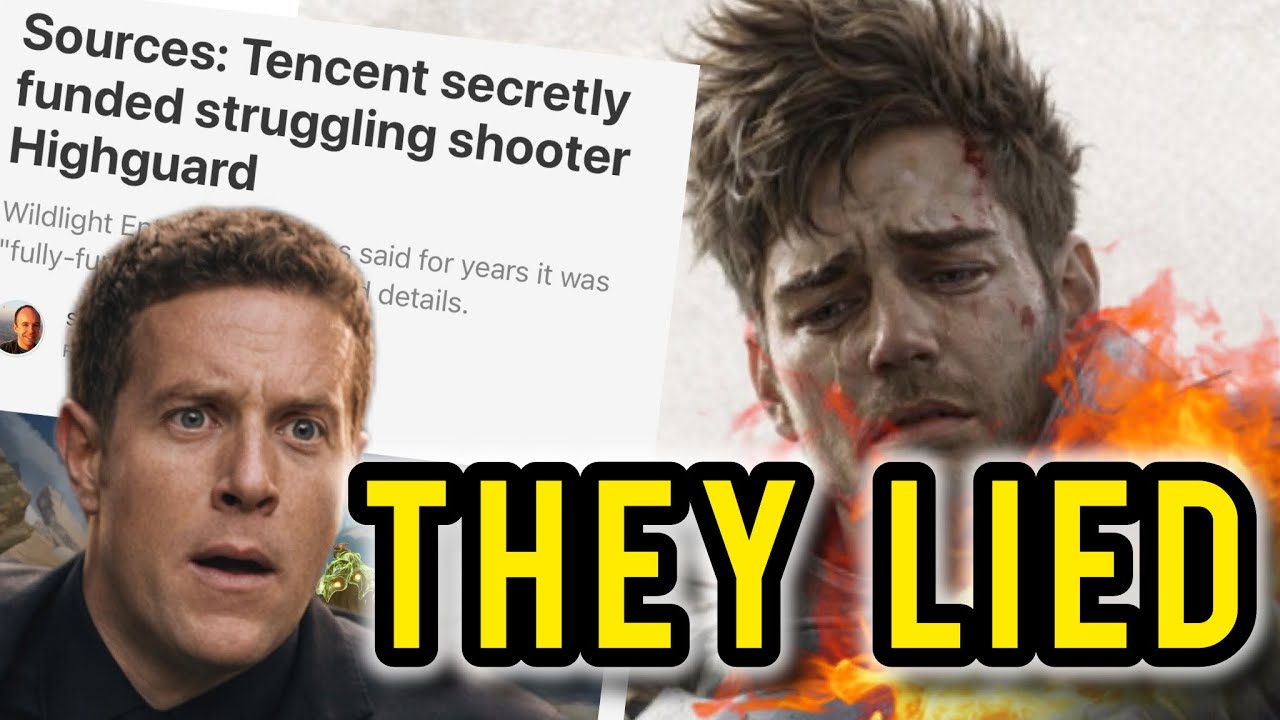
Tencent Cuts Funding: Highguard's Indie Studio Suffers Mass Layoffs, Future Uncertain
The gaming industry is no stranger to stories of meteoric rises and dramatic falls, but few have unfolded with the heartbreaking speed and public scrutiny as that of _Highguard_. Less than a month after its much-anticipated reveal and subsequent launch, Wildlight Entertainment’s ambitious PvP raid shooter has been dealt a crushing blow: mass layoffs, a significant reduction in team size, and the reported withdrawal of funding from tech giant Tencent. The question on many minds, and a stark reality for the developers, is whether this means *jeu Highguard fermé* in all but name for its original vision.
This sudden downturn serves as a somber reminder of the precarious nature of game development, especially for independent studios navigating a hyper-critical and often unforgiving online landscape. The narrative surrounding _Highguard_'s demise, particularly the candid account from former technical artist and rigger Josh Sobel, offers a raw, unfiltered look at how player perception and misinformation can directly lead to the collapse of a creative endeavor.
The Meteoric Fall of Highguard: A Dream Crushed by False Narratives
The journey of _Highguard_ began with high hopes and genuine enthusiasm. Wildlight Entertainment, an independent studio, felt confident about their creation. Josh Sobel revealed that internal feedback was overwhelmingly positive and constructive, fostering an optimistic atmosphere where developers dreamt of finally "breaking the financial curse of millennials" through this project. The reveal at the prestigious Game Awards was intended to be a grand entrance, a moment of triumph.
However, this dream quickly spiraled into a nightmare. Almost immediately after the trailer aired, a damaging piece of misinformation took root and spread like wildfire: the rumor that Wildlight had paid a staggering million dollars for their spot at the Game Awards. This false claim, amplified even by some recognized journalists, instantly transformed _Highguard_ into a target for mockery and cynicism.
"We were turned into a joke from minute one, largely because of false assumptions about a million-dollar ad placement," Sobel lamented. "Within minutes, it was decided: this game was dead on arrival, and content creators now had free ragebait material for a month." This illustrates a chilling reality: in today's digital age, a single, unsubstantiated rumor can hijack a game's narrative and doom it before players even have a chance to experience it. The initial perception, fueled by baseless claims, became an insurmountable obstacle for the indie title.
Player Power and Its Perilous Edge: Blame and Backlash
Josh Sobel does not shy away from pointing a finger at the gaming community's role in _Highguard_'s rapid downfall. The game was quickly compared to other recent free-to-play failures, such as _Concord_, and was subjected to a barrage of negative critiques almost immediately upon launch. What makes this particularly poignant, Sobel notes, is that many of these scathing reviews and comments came from players who had barely engaged with the game itself.
While acknowledging that player hostility wasn't the *sole* reason for the game's struggles, Sobel insists on its profound and undeniable impact. He challenges the common notion that developers unfairly shift blame to players, arguing instead that consumers wield immense power – a power that, in _Highguard_'s case, was used to devastating effect. "All products are at the mercy of consumers, and consumers put absurd effort into denigrating Highguard. And it worked," he stated bitterly.
This episode highlights a critical discussion point in the gaming industry: the balance between player feedback and destructive criticism. While constructive criticism is vital for game improvement, the phenomenon of "ragebait" and mob mentality can stifle innovation and destroy livelihoods. Players, content creators, and journalists alike share a responsibility in shaping the discourse around new games, especially those from smaller, independent studios. For more insights into this perspective, you can read
Highguard's Rapid Failure: Dev Blames Player Toxicity & Fake News.
An Indie Studio's Unjust Fate: What We Lost
Sobel's frustration is compounded by the fact that Wildlight Entertainment embodied many of the values the gaming community often champions. It was an independent, self-published studio, run by passionate developers, entirely free from the use of AI and without the restrictive oversight of a large corporation. In an industry increasingly dominated by massive publishers and concerns over AI integration, Wildlight represented an authentic, grassroots effort to create a fun gaming experience.
"Even if Highguard had a tough launch, our independent, self-published, developer-led studio, full of passionate people just trying to make a fun game, with zero AI and zero corporate supervision… deserved better than that," Sobel asserted. The irony is stark: a studio that ticked so many boxes for what players claim to desire in game development became the victim of the very community it sought to entertain.
The reported withdrawal of funding from Tencent, limiting Wildlight to a skeleton crew of 20 people, further solidifies the tragic reality. This isn't just a game failing; it's a testament to the vulnerability of indie dreams against the formidable forces of online negativity and economic pressures. The initial optimism for _Highguard_ to finally break the mold has ended with its effective closure in its intended form, a clear example of *jeu Highguard fermé* by circumstances.
Beyond Highguard: Lessons for Developers and Players
The unfortunate saga of _Highguard_ offers critical lessons for everyone involved in the gaming ecosystem:
*
For Developers: Foster Transparency and Manage Expectations
*
Proactive Communication: Indie studios, often with limited marketing budgets, must find innovative ways to communicate directly and transparently with their potential player base. Address rumors swiftly and clearly.
*
Community Building: Engage early and genuinely with communities. A strong, loyal community can act as a buffer against negativity.
*
Realistic Launch Strategies: Understand the current market saturation and the difficulty of standing out. Prepare for varied reactions and have a post-launch support plan.
*
For Players: Embrace Critical Thinking and Constructive Engagement
*
Verify Before Vilify: Challenge rumors and misinformation. Fact-check claims before sharing or forming strong opinions. The "million-dollar ad" rumor is a prime example of the damage fake news can inflict.
*
Experience Before Judging: Give games a fair chance. Reviews based on minimal playtime or simply on viral hate cycles do a disservice to both developers and fellow players.
*
Constructive Feedback: If you dislike a game, articulate why in a way that is helpful rather than simply destructive. Remember the human element behind the code.
*
Support Indie Developers: Recognize that independent studios operate on tighter margins and higher risks. Your support, whether through purchase or positive word-of-mouth, is invaluable. For a deeper dive into this human cost, consider reading
Wildlight Dev Reveals Highguard's Demise: A Tale of Online Hate.
*
For Content Creators & Journalists: Uphold Integrity and Responsibility
*
Fact-Checking: The power to influence public opinion comes with the responsibility to verify information before disseminating it.
*
Ethical Reporting: Avoid sensationalism for clicks. Focus on balanced reporting that reflects the complexities of game development.
In a world where digital voices can amplify instantly, the story of _Highguard_ serves as a powerful cautionary tale. It underscores the immense power of the collective, and how that power, when wielded without thought or empathy, can extinguish even the most passionate of flames. The tragic narrative of _jeu Highguard fermé_ is not just about a game that failed; it's about the erosion of trust, the impact of misinformation, and the very real human cost behind the pixels.