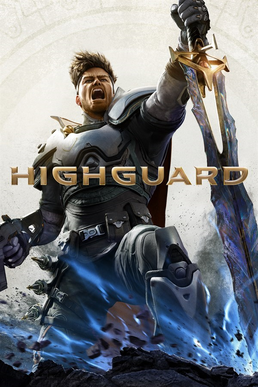
Wildlight Dev Reveals Highguard's Demise: A Tale of Online Hate and Misinformation
The gaming community recently witnessed a sobering event: the premature demise of Wildlight Entertainment's ambitious title, Highguard. Less than a month after its launch, the studio faced mass layoffs, and the game effectively ceased to exist, becoming another entry in the grim list of "jeu Highguard fermé" stories. What truly killed Highguard, according to a former developer, was not just flawed gameplay but a tidal wave of player toxicity and damaging misinformation.
Josh Sobel, a technical artist and rigger on the project, offered a raw, unfiltered account of how internal optimism crashed against a wall of external hostility. His testimony serves as a stark reminder of the immense, often destructive, power wielded by online communities and content creators. It highlights a critical challenge facing indie developers in an increasingly interconnected, yet often unforgiving, digital landscape.
The Dream Derailed: When Optimism Met Online Ire
Wildlight Entertainment embarked on the Highguard journey with genuine excitement and a strong sense of purpose. Sobel recounts a studio environment brimming with positive internal feedback and developers who truly believed they were on the cusp of creating something special. The team harbored hopes of finally "breaking the millennial financial curse," pouring their passion into an auto-published, developer-led project free from corporate oversight and AI-generated content – values often championed by the gaming community itself.
The turning point, however, was swift and brutal. The moment Highguard was revealed at the Game Awards, the dream began to unravel. Sobel points directly to the emergence of damaging false information, particularly a widely circulated rumor that Wildlight had paid a colossal one million dollars for their Game Awards slot. This baseless claim, even amplified by some recognized journalists, immediately transformed Highguard from a promising new IP into an object of ridicule.
"We were turned into a joke in minute one, largely due to false assumptions about a million-dollar ad buy," Sobel lamented. "Within minutes, it was decided: this game was dead on arrival, and content creators now had free ragebait material for a month." This initial flood of negativity, often driven by fabricated narratives, created an insurmountable hurdle before the game even had a chance to breathe. The perception was set, and for many, the "jeu Highguard fermé" fate was sealed from that very moment.
The Unchecked Power of the Playerbase: A Developer's Plea
Sobel doesn't mince words about the gaming community's role in Highguard's downfall. The game was quickly compared to other recent free-to-play failures, such as Concord, and faced an onslaught of negative reviews and criticisms, often from players who had barely engaged with the title. While acknowledging that player toxicity wasn't the sole factor in the game's commercial failure, Sobel firmly asserts its profound impact.
He challenges the common narrative that developers unfairly blame players for a game's shortcomings. Instead, he argues that consumers possess immense power, a power that was vehemently and destructively aimed at Highguard. "All products are at the mercy of consumers, and consumers put absurd effort into trashing Highguard. And it worked," he states with evident bitterness. This incident underscores a vital lesson: the collective voice of the player base, when misguided or weaponized, can be catastrophic for even the most well-intentioned projects.
For a deeper dive into the immediate aftermath and developer's perspective, read about Highguard's Rapid Failure: Dev Blames Player Toxicity & Fake News.
A Scapegoat for the System? The Indie Dilemma
What makes Highguard's story particularly poignant is that Wildlight Entertainment, by all accounts, represented the very ideals that the gaming community often claims to champion. They were an independent, self-published studio, run by passionate developers, explicitly avoiding AI in development and lacking corporate oversight. These are the hallmarks of creative freedom and authentic game-making, yet they were not enough to shield the team from the onslaught.
Sobel believes the intensity of the backlash against Highguard was disproportionate and unfair. "Even if Highguard had a rocky launch, our independent, self-published, developer-run studio, full of passionate people just trying to make a fun game, with zero AI and zero corporate oversight... deserved better than that," he declared. This sentiment echoes the precarious position of many indie developers who lack the marketing budgets and institutional protections of AAA studios, making them particularly vulnerable to public perception and online pile-ons.
Further compounding Wildlight's struggles, reports indicate that Tencent, a major investor, withdrew its funding, leading to additional mass layoffs and forcing the studio to drastically reduce its workforce to a mere 20 people. This withdrawal of support, likely influenced by the game's devastating public reception, put the final nail in the coffin for Wildlight's ambitions. You can learn more about this aspect by reading Tencent Cuts Funding: Highguard's Indie Studio Suffers Mass Layoffs.
Navigating the Digital Minefield: Lessons for Developers and Players
The tragic tale of Highguard offers crucial lessons for everyone involved in the gaming ecosystem:
For Developers and Studios:
- Proactive Communication: Address rumors and misinformation swiftly and transparently. Silence can be misconstrued as confirmation.
- Community Management: Invest in dedicated community managers who can engage constructively, diffuse tensions, and foster positive dialogue.
- Building Resilience: Prepare teams for potential backlash. The emotional toll of online hate can be devastating; prioritize mental health support.
- Setting Expectations: Be realistic about launches and manage community expectations regarding new IPs, especially in competitive genres.
For Players and Content Creators:
- Verify Information: Before sharing or reacting, take a moment to fact-check. Baseless rumors can have real-world consequences, as seen with Highguard.
- Constructive Criticism: There's a fundamental difference between valid feedback and destructive hate. Focus on what can improve a game, not just tearing it down.
- Empathy and Perspective: Remember that behind every game are human beings who have poured their time, effort, and passion into their work.
- Give Games a Chance: Avoid premature judgment. A game's initial state is rarely its final one, and initial reactions, if unverified, can unfairly doom a project.
- Recognize Your Power: Understand that collective player sentiment can indeed make or break a game. Use that power responsibly.
Conclusion: The Enduring Impact of Online Hate
The story of Wildlight Entertainment's Highguard is a sobering cautionary tale. It illustrates how quickly a promising project can be undone, not solely by its intrinsic qualities, but by the relentless tides of online negativity and the rapid spread of misinformation. While every game faces scrutiny, the human cost behind every "jeu Highguard fermé" event – the layoffs, the shattered dreams, the emotional impact on dedicated developers – is a stark reminder that online interactions have tangible consequences.
As the gaming world continues to grow, fostering a culture of critical engagement over destructive ragebait, and prioritizing truth over sensationalism, becomes ever more vital. Only then can we hope to prevent other passionate indie projects from suffering a similar, undeserved fate as Highguard.